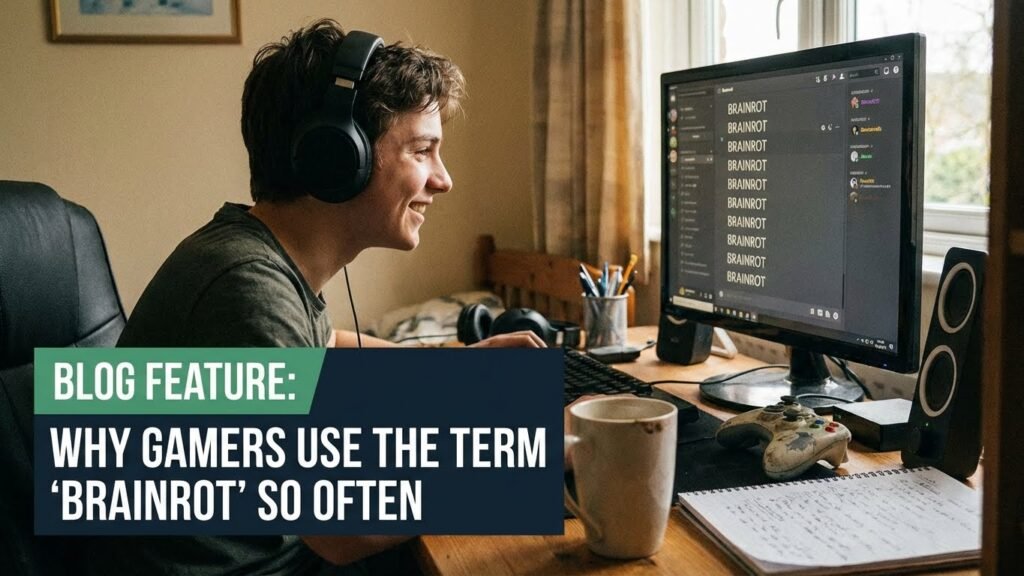

Discover why brainrot has become essential gaming vocabulary. Learn how gamers use brainrot to describe gameplay, streaming culture, and community experiences.
Walk into any gaming Discord server, scroll through gaming subreddits, or watch popular streamers, and you’ll hear brainrot mentioned constantly. The term has become so embedded in gaming vocabulary that it’s almost impossible to discuss modern gaming culture without encountering it. But why do gamers use brainrot so frequently, and what makes this term so perfectly suited to describe the gaming experience?
Gaming Creates Perfect Brainrot Conditions
Gaming environments are uniquely designed to produce the mental states that brainrot describes. Unlike passive entertainment like watching television, gaming requires active engagement and creates feedback loops that keep players mentally invested for extended periods. This combination makes gaming particularly susceptible to generating brainrot experiences.
Modern games are built around reward systems that trigger dopamine responses. Every level up, loot drop, achievement unlock, or victory screen gives your brain a small hit of satisfaction. These frequent rewards create patterns of behavior and thought that persist even when you’re not playing. Your brain starts anticipating these rewards and planning strategies to achieve them.
The repetitive nature of many gaming activities contributes significantly to brainrot development. Grinding for experience points, farming resources, practicing the same combo repeatedly, or running the same dungeon dozens of times all involve intense repetition. This repetition literally rewires neural pathways, making gaming concepts and terminology your brain’s default mode of thinking.
Competitive gaming adds another dimension. The desire to improve, climb ranks, and defeat opponents creates an obsessive quality that gamers readily recognize as brainrot. You find yourself thinking about matchups while doing laundry, analyzing your mistakes while trying to sleep, or mentally practicing combos during work meetings.
Brainrot Describes the Streaming Experience
The explosion of gaming content on Twitch, YouTube, and other platforms has made brainrot an essential term for describing viewer experiences. Watching streams creates its own unique form of mental saturation that traditional television never produced. Streamers broadcast for hours daily, creating massive amounts of content that devoted viewers consume religiously.
Streamers develop distinctive personalities, catchphrases, and running jokes that viewers absorb through repeated exposure. When you watch someone for hundreds or thousands of hours, their mannerisms become part of your own mental framework. Gamers use brainrot to describe this phenomenon where streamer vocabulary and perspectives infiltrate their everyday thinking.
Chat culture on streaming platforms intensifies brainrot effects. The rapid fire nature of Twitch chat, with its emotes, copypastas, and inside jokes, creates a shared language that only regular viewers understand. Participating in this culture means exposing yourself to the same references and humor patterns repeatedly until they become automatic.
Parasocial relationships between streamers and viewers amplify brainrot significantly. Viewers develop genuine emotional connections to personalities they watch regularly. This emotional investment makes the content more impactful and memorable, increasing how deeply it embeds itself in viewer consciousness.
Gaming Communities Speak in Brainrot
Gaming communities have always created their own specialized vocabulary, but brainrot captures something specific about modern gaming communication. The term acknowledges that gaming language has become so pervasive and specialized that it functions almost like a separate dialect.
Every game develops its own ecosystem of terminology, memes, and references. League of Legends players have entirely different brainrot than Minecraft players, who have different brainrot than Dark Souls fans. Gamers use the term brainrot as shorthand to acknowledge these game specific mental frameworks that develop through intense engagement.
Community inside jokes and memes spread rapidly through gaming spaces. A single funny moment in a stream can generate hundreds of variations and references within hours. Gamers use brainrot to describe how these memes become inescapable, showing up in every Discord conversation, every subreddit thread, and every YouTube comment section.
The competitive nature of gaming communities creates pressure to stay current with the latest references and terminology. Using the right brainrot language signals that you’re an active, engaged member of the community. Falling behind on the latest memes or not understanding current references can make you feel out of touch.
Brainrot Validates Shared Experiences
One major reason gamers use brainrot so often is that it validates experiences that might otherwise seem weird or embarrassing. Admitting you think about optimal farming routes while grocery shopping sounds strange, but calling it brainrot makes it relatable and even humorous.
The term creates instant understanding between gamers. When someone says they have League brainrot or Valorant brainrot, other players immediately know what they mean. They’ve experienced the same obsessive thinking patterns, the same inability to stop mentally playing the game, the same infiltration of gaming concepts into everyday life.
Gamers appreciate having vocabulary that captures their specific experiences. Traditional terms like addiction or obsession carry heavy negative connotations and don’t quite fit. Brainrot hits differently because it’s self aware and often affectionate. It acknowledges that something might be excessive while celebrating the passion behind it.
Using brainrot also creates bonding opportunities. Sharing brainrot stories has become a form of social interaction within gaming communities. Players compete to share the most ridiculous examples of their gaming thoughts intruding on normal life, creating entertainment and connection through shared absurdity.
The Term Captures Gaming’s Addictive Nature
Gaming can be genuinely addictive, and brainrot provides a way to discuss this reality without getting too serious or clinical. The term acknowledges the compulsive elements of gaming while maintaining a lighter tone that feels more accessible than medical terminology.
Gamers recognize when they’re stuck in unhealthy patterns. Queueing for one more ranked game at 3am despite having work in the morning, grinding the same content for hours despite not enjoying it anymore, or checking game subreddits constantly even during social events all represent behaviors gamers know aren’t ideal.
Calling these patterns brainrot allows gamers to acknowledge the problem with humor and self awareness. It’s a coping mechanism that makes concerning behavior feel more manageable. Instead of confronting serious questions about gaming habits, you can joke about your brainrot and move on.
The gaming industry designs products to maximize engagement, sometimes crossing into manipulation. Gamers use brainrot to describe the mental states that result from these design choices. The term implicitly critiques how games are built to be maximally addictive while also acknowledging that players willingly participate.
Brainrot as Performance and Identity
In gaming spaces, claiming to have brainrot has become almost performative. Gamers announce their brainrot as a way of demonstrating dedication and authenticity. Having severe brainrot about a game signals that you’re a real fan, not a casual player.
This performance aspect explains why the term appears so frequently in gaming conversations. Gamers compete to have the most intense or ridiculous brainrot stories. Content creators build entire personas around their brainrot, making it central to their brand and appeal.
For younger gamers especially, brainrot has become part of identity formation. Being brainrotted about specific games or streamers helps define who you are within peer groups. It’s a way of signaling your interests, values, and community membership all at once.
The term also allows gamers to embrace aspects of their hobby that outsiders might judge negatively. Instead of feeling defensive about spending huge amounts of time on games, gamers can own their brainrot proudly. It reframes potential criticism as a badge of honor.
Meme Culture Accelerates Brainrot Usage
Gaming and meme culture are deeply intertwined, and brainrot itself has become a meme. The term gets used ironically, seriously, and everywhere in between. This flexibility makes it incredibly useful for various conversational contexts.
Gamers create memes about brainrot, which generates more awareness of the term, which leads to more usage, which inspires more memes. This self reinforcing cycle has turned brainrot into one of the most recognizable pieces of gaming vocabulary.
The absurdist humor that dominates gaming spaces pairs perfectly with brainrot as a concept. The term captures something genuinely strange about modern gaming culture while providing endless opportunities for creative and comedic expression.
Social media algorithms favor brainrot content because it’s highly engaging. Posts about brainrot get shared, commented on, and interacted with at high rates. This algorithmic amplification ensures that gamers encounter the term constantly, further normalizing its usage.
Different Games Generate Different Brainrot
Gamers use brainrot frequently because the term is versatile enough to describe vastly different experiences across different games. The brainrot you get from a story driven RPG differs completely from competitive shooter brainrot, yet the same word captures both phenomena.
MOBA players talk about brainrot related to roles, matchups, and meta strategy. Their brainrot manifests as constantly analyzing team compositions and thinking about optimal plays. Fighting game brainrot centers on frame data, combos, and matchup knowledge that players can’t stop mentally practicing.
Sandbox game brainrot like Minecraft or Terraria involves seeing the world through the lens of blocks, crafting recipes, and building possibilities. Survival game brainrot makes players constantly evaluate resources, threats, and efficiency even in real world contexts.
Gacha game brainrot revolves around pull rates, team building, and resource management. Players find themselves calculating probabilities and planning summoning strategies constantly. Each gaming genre produces its own flavor of brainrot that regular players immediately recognize.
Brainrot Describes Content Quality
Beyond describing mental states, gamers use brainrot as a content descriptor. Calling something brainrot content communicates specific expectations about its nature and quality. This usage has become incredibly common in gaming spaces.
Brainrot content in gaming contexts typically means material that’s entertaining but not intellectually demanding. It might be a streamer doing something repetitive, a compilation of fails, or gameplay that’s more about vibes than skill. Labeling content as brainrot sets appropriate expectations.
Gamers appreciate being able to distinguish between content that requires focus and content that’s pure brainrot. Sometimes you want in depth analysis or skilled gameplay. Other times you just want to zone out watching someone grind levels or make silly mistakes. The term helps categorize these different content types.
Content creators actively label their own work as brainrot when appropriate. This honesty builds trust with audiences who appreciate knowing what they’re getting into. It also attracts viewers specifically looking for low stakes, easy to consume content.
The Self Awareness Factor
Modern gamers are remarkably self aware about their habits, and brainrot reflects this awareness. Using the term demonstrates that gamers understand how gaming affects their thinking and behavior. This self awareness actually makes the term more useful and prevalent.
Calling out your own brainrot shows emotional intelligence and perspective. It proves you can step back and observe your own mental patterns even while being caught up in them. This balance between immersion and awareness characterizes much of modern gaming culture.
The term allows gamers to discuss potentially concerning behaviors without triggering defensiveness. If someone tells you that you seem addicted to a game, you might react negatively. If someone jokes about your brainrot, it’s easier to acknowledge and laugh about.
Gaming communities value this kind of ironic self deprecation. Being able to mock your own excessive gaming habits while continuing those habits is seen as authentically understanding gaming culture. Brainrot perfectly encapsulates this contradictory but very real attitude.
Brainrot Crosses Gaming Boundaries
Another reason for frequent brainrot usage is that the term transcends individual games and gaming platforms. Whether you play on console, PC, or mobile, whether you prefer single player or multiplayer, everyone understands what brainrot means.
This universality makes brainrot incredibly useful for communication across different gaming communities. A Fortnite player and a Final Fantasy fan might have little else in common, but they both understand and use brainrot vocabulary. The term builds bridges between otherwise separate gaming worlds.
Cross platform streaming and content creation has spread brainrot terminology even further. Viewers might watch streamers playing completely different games, but the brainrot experience remains relatable across all of them. This shared vocabulary strengthens the broader gaming community.
The term has even started crossing over into non gaming contexts. People talk about true crime brainrot, cooking show brainrot, or fitness content brainrot. Gaming originated the current usage, but the concept has proven so useful that it’s spreading beyond gaming boundaries.
The Future of Brainrot in Gaming
Gamers will likely continue using brainrot frequently because the conditions that make the term relevant aren’t going away. Games are becoming more engaging, streaming is growing, and gaming communities are getting larger and more interconnected. All of these trends suggest brainrot will remain essential gaming vocabulary.
New gaming technologies like virtual reality and cloud gaming will probably generate new forms of brainrot. As gaming becomes more immersive and accessible, the mental frameworks games create will potentially become even more persistent and pervasive.
The gaming industry itself has started acknowledging brainrot as a real phenomenon. Developers and publishers recognize the term when discussing player engagement. This mainstream recognition will likely cement brainrot as permanent gaming vocabulary rather than temporary slang.
Conclusion
Gamers use brainrot so often because the term perfectly captures multiple aspects of modern gaming culture. It describes addictive gameplay loops, streaming culture saturation, community language patterns, and the mental states that result from intense gaming engagement. The word is versatile, self aware, humorous, and deeply relatable to anyone involved in gaming.
Understanding why brainrot has become such common gaming vocabulary reveals insights into how gamers think about their hobby and themselves. The term represents a sophisticated understanding of gaming’s effects combined with an accepting, often celebratory attitude toward those effects.
As long as gaming remains a central part of digital culture, brainrot will continue being one of the most frequently used terms to describe the gaming experience. It’s not just slang anymore but essential vocabulary for navigating modern gaming communities.
Learn about How the Meaning of Brainrot Changed Over Time and What Does Brainrot Mean in Gaming Communities? For more questions contact us